
Kathmandu, Pokhara and Chitwan: A Classic Nepal Nature & Culture Route
How Nepal’s classic route works when it is paced well instead of rushed.
Kathmandu, Pokhara and Chitwan make one of Nepal’s most balanced first-time routes: heritage, mountains, lakes, villages and wildlife without needing a major trek.
Kathmandu: context before movement
Starting in Kathmandu gives travelers cultural context before moving into nature. Boudhanath, Patan, Bhaktapur and Swayambhunath are more rewarding with a good guide and unhurried timing.
Two nights is usually the minimum if you want more than a quick transit stop.
Chitwan: wildlife and lowland contrast
Chitwan changes the rhythm completely. Canoe rides, jeep safaris, forest activities and village surroundings make it a strong contrast to the hills and cities.
We avoid elephant riding and prefer responsible wildlife-viewing arrangements where possible.
Bandipur or a hill stop can soften the route
A night in Bandipur or another hill stop can break the journey between Chitwan and Pokhara. It gives the trip a slower, more scenic rhythm instead of feeling like a long transfer.
This is especially helpful for families, older travelers and guests who prefer a calmer private itinerary.
Pokhara: lakeside, viewpoints and gentle hikes
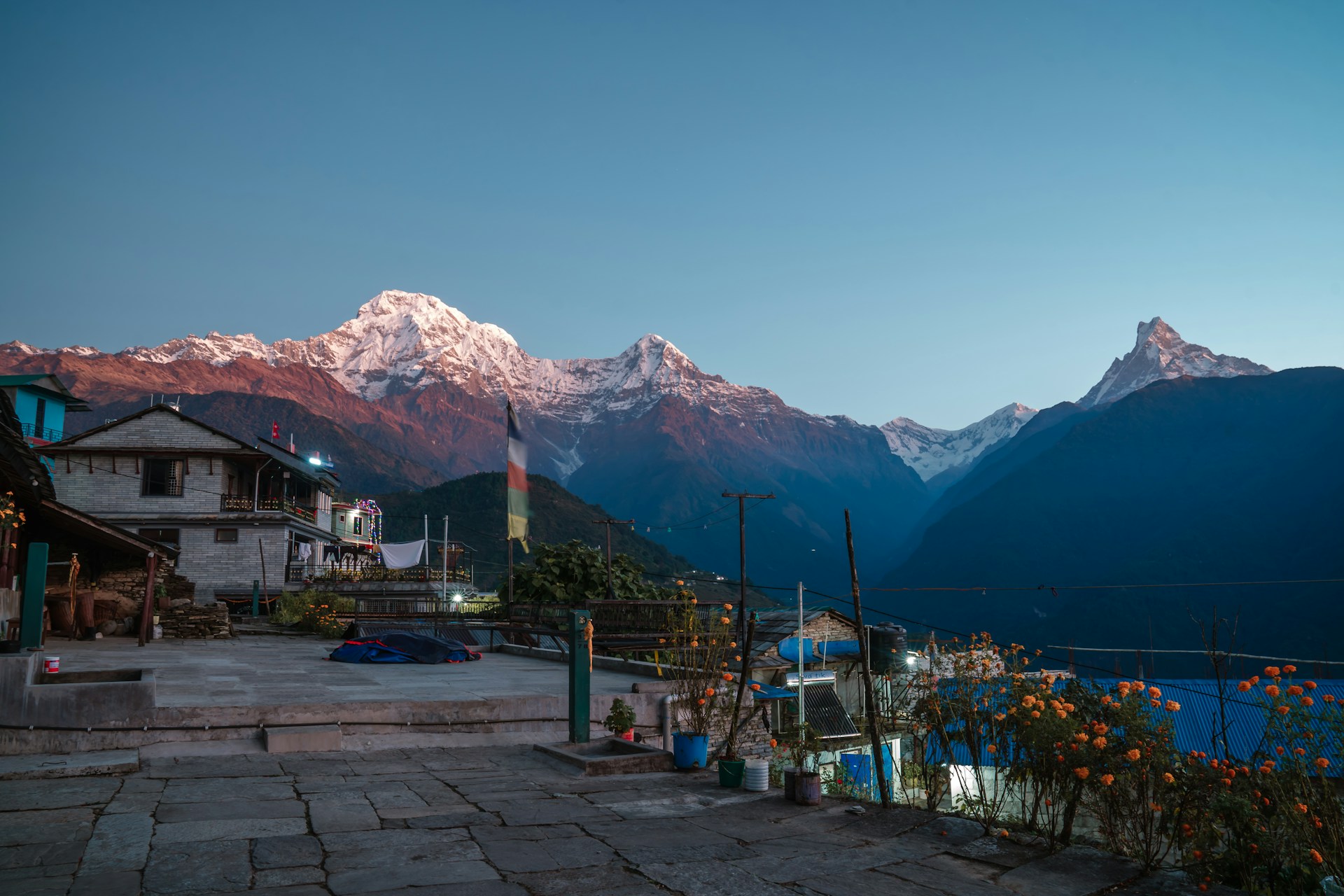
Pokhara is ideal for a relaxed ending: Fewa Lake, sunrise viewpoints, short hikes, cafes and mountain views when the weather is clear.
It can also connect naturally with Dhampus, Australian Camp, Ghandruk or other Annapurna foothill experiences.
How many days do you need?
Nine to ten days is a comfortable length for this route. It can be shorter, but the trip starts to feel rushed once every transfer day competes with sightseeing.
For a premium private experience, pacing matters as much as hotel level.