
Everest Base Camp Trek: What to Expect Day by Day
A realistic local overview of the walking rhythm, acclimatization days and key route moments.
The Everest Base Camp trek is not just one hard day. It is a steady sequence of village walks, altitude adjustment, colder nights and gradually bigger mountain views.
Kathmandu and the flight into the mountains
The first day is usually for arrival, briefing and checking gear. The mountain section begins with a flight toward Lukla, followed by a relatively gentle walk to Phakding so the body is not pushed too quickly on day one.
Flight routing can change depending on season and airport operations, so a good itinerary should keep some flexibility instead of pretending the logistics are always simple.
Phakding to Namche: the first real test
The walk to Namche Bazaar is longer and includes the famous climb after the high suspension bridges. This is where many trekkers first feel that the trek has properly started.
Namche is not just a stopover. It is the main Sherpa town of the Khumbu and an important acclimatization point. A second night here is essential for most well-paced plans.
Toward Tengboche and Dingboche
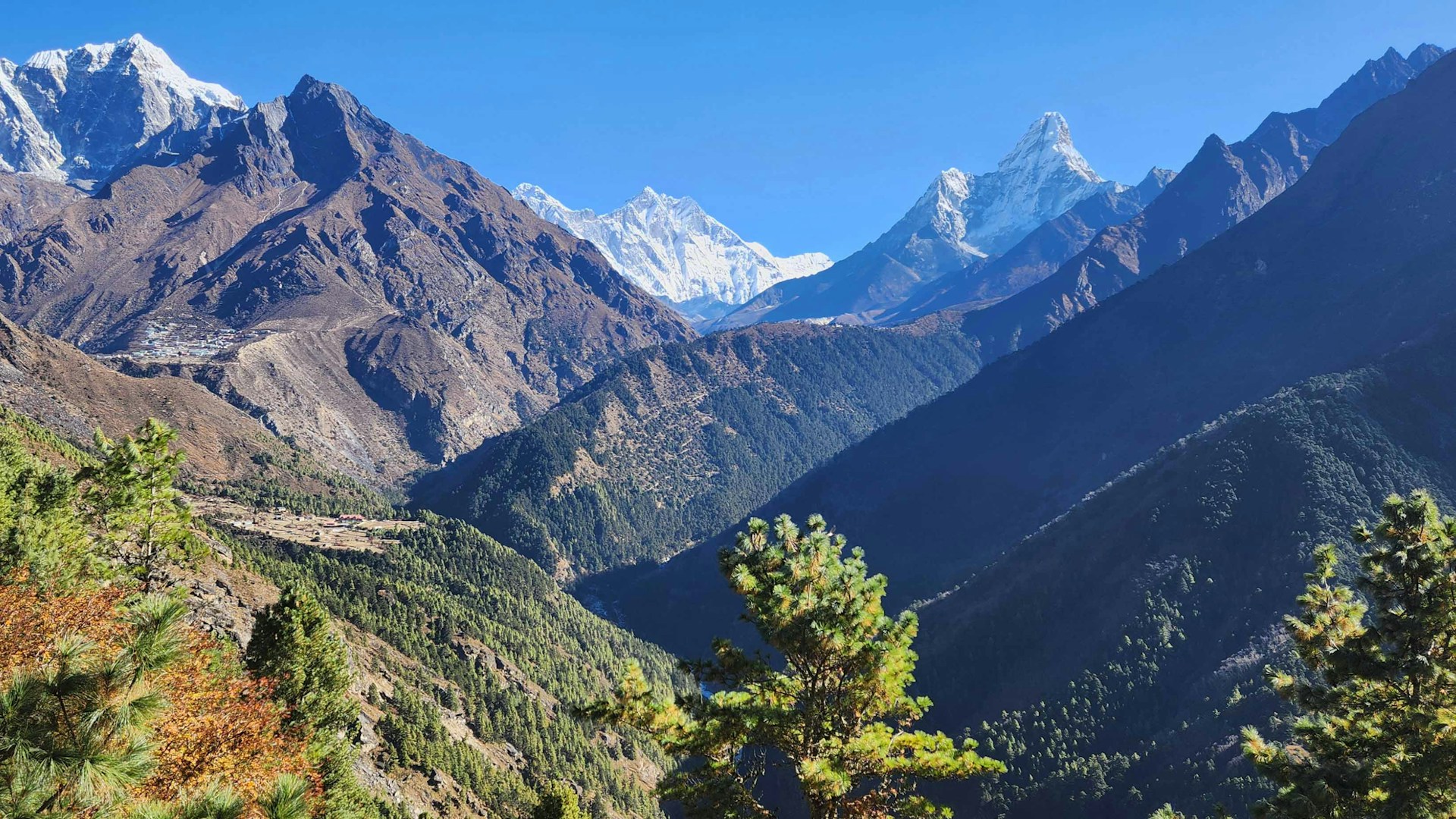
After Namche, the trail opens into bigger views of Ama Dablam, Everest, Lhotse and surrounding peaks. Tengboche is known for its monastery setting, while Dingboche feels more exposed and noticeably higher.
A second acclimatization day at Dingboche is one of the details we do not like to remove. It gives the body time and makes the upper route more manageable.
Lobuche, Gorak Shep and Base Camp
The final approach feels colder and more barren. From Gorak Shep, most trekkers visit Everest Base Camp as a long out-and-back walk. The point itself is meaningful because of the journey, not because it offers the widest mountain panorama.
Kala Patthar, usually early the next morning, is where many people get the classic Everest view. It is demanding because of altitude, so pacing matters.
The return and why buffer days matter
The descent is faster but still tiring. Knees, sleep quality and appetite all matter, so it is not a section to rush carelessly.
A buffer day near the end is wise because Lukla flights are weather-sensitive. Removing it can make the itinerary look shorter on paper but more stressful in real life.